Design: Studio itch
mowe
Festival for Art and Urban Culture
The mowe Festival for Art and Urban Culture invites you on a journey of discovery through the art and cultural landscape of Moabit and Wedding.
At numerous venues across the festival area, urban practice and queer perspectives come together in group and solo exhibitions, workshops, artist talks, experimental city walks and bike tours, concerts under the trees, rooftop performances, as well as community actions and interventions in urban space. The contributions reflect the cultural diversity of the city, its districts and their residents.
The focus is on the participants themselves: their diverse artistic positions, cultural backgrounds and experiences, which anchor the festival both internationally and locally.
The mowe Festival creates spaces for encounter, exchange and artistic intervention. It sees itself as a platform for contemporary art and urban culture and brings to light the diverse perspectives that shape urban coexistence.
The Festival Team
(Poligonal)
Festival Editions
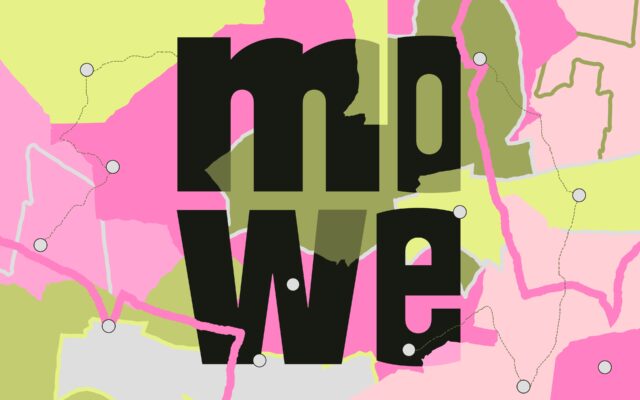

Festival Area
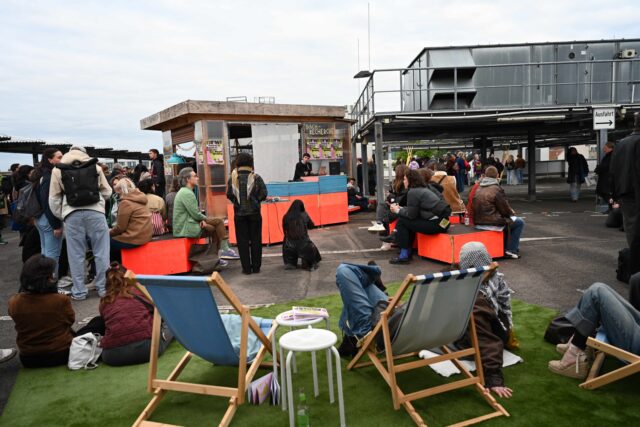
mowe 2026, Cittipoint Operation Himmelblick, Berlin, Photo: Andrzej Raszyk, 2026
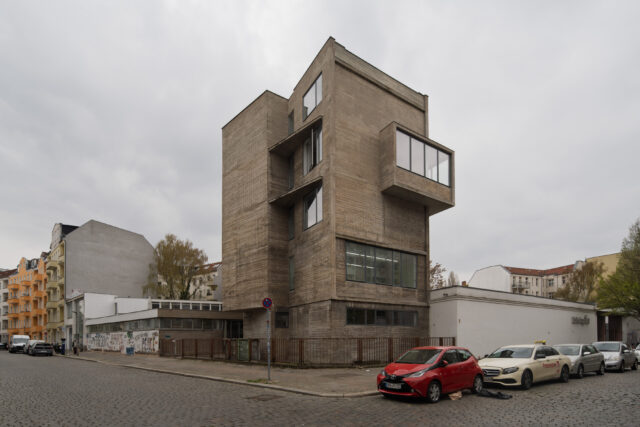
ExRotaprint, Wedding, Photo: Landesarchiv Berlin / Wunstorf, 2026

ExRotaprint, Wedding, Photo: Landesarchiv Berlin / Wunstorf, 2026

ExRotaprint, Wedding, Photo: Landesarchiv Berlin / Wunstorf
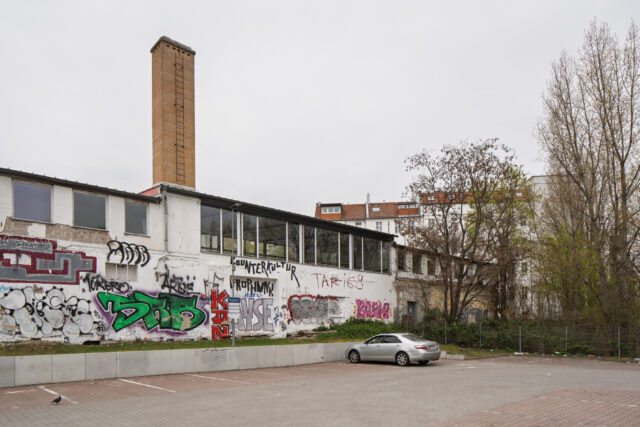
ExRotaprint Projektraum Glaskiste, Wedding, Photo: Landesarchiv Berlin / Wunstorf

Stores on Turmstraße, Moabit, Photo: Landesarchiv Berlin / Wunstorf, 2026
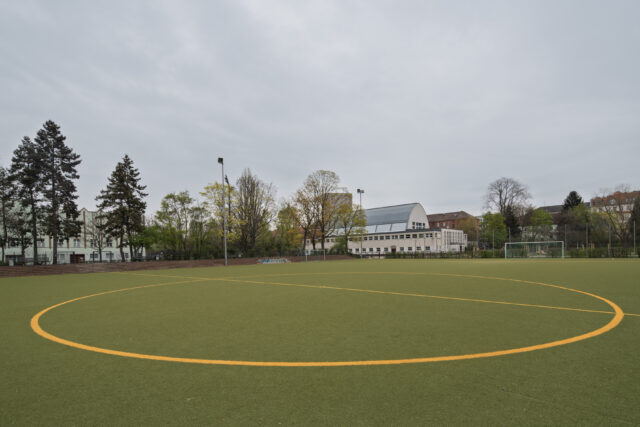
Sportsfield at Poststadion, Moabit, Photo: Landesarchiv Berlin / Wunstorf, 2026
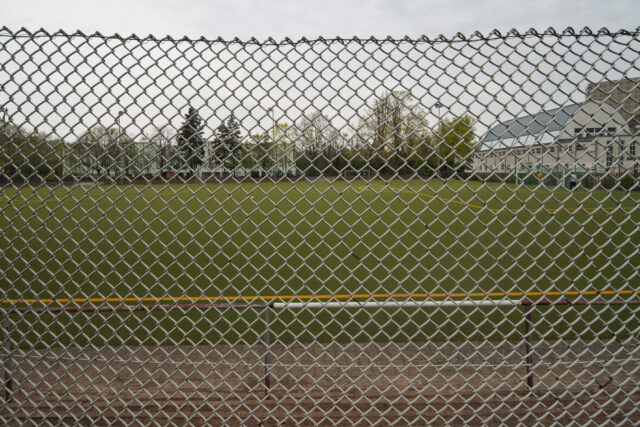
Sportsfield at Poststadion, Moabit, Photo: Landesarchiv Berlin / Wunstorf, 2026
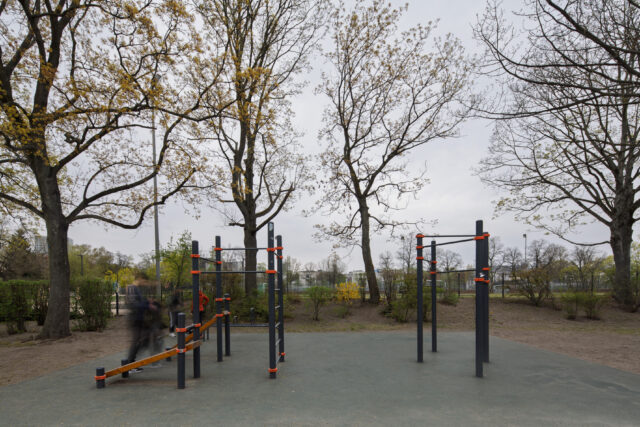
Körperkraftpark at Poststadion, Moabit, Photo: Landesarchiv / Wunstorf, 2026

Läden, Badstraße, Photo: Landesarchiv Berlin / Wunstorf, 2025

Badstraße Ecke Prinzenallee, Photo: Landesarchiv Berlin / Wunstorf, 2025
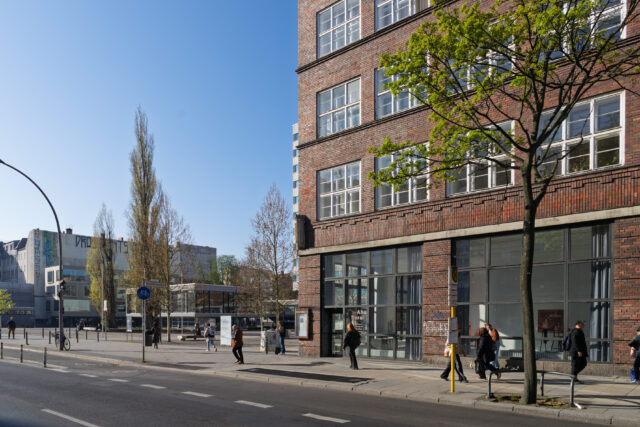
Galerie Wedding, Wedding, Photo: Landesarchiv Berlin / Wunstorf, 2026

Gastronomy: Sanake Seafood, Akko Chicken Grill und ein Volt Rider, Wedding, Photo: Landesarchiv Berlin / Wunstorf, 2025
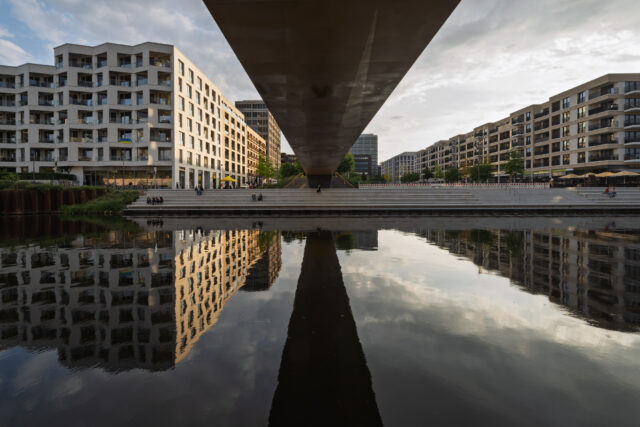
Berlin-Spandauer Schifffahrtskanal, Moabit, Photo: Landesarchiv Berlin / Wunstorf, 2026

Zentrum für Kunst und Urbanistik, Moabit, Photo: Landesarchiv Berlin / Wunstorf, 2026

Kunstraum von Culterim im ehemaligen Backshop, Wedding / Gesundbrunnen, Photo: Landesarchiv / Wunstorf, 2026
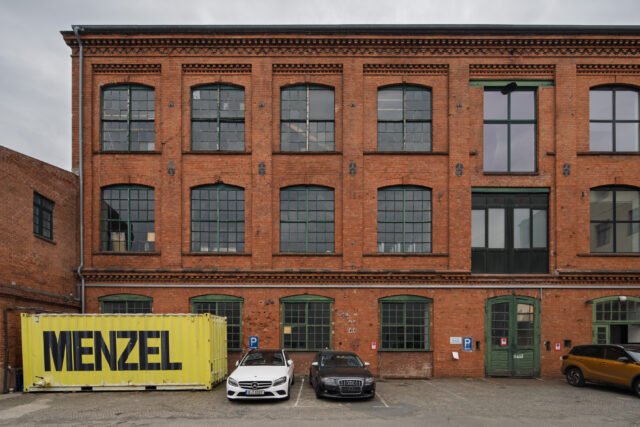
Industrial Area (formerly Menzel Motoren), Photo: Landesarchiv Berlin / Wunstorf, 2026
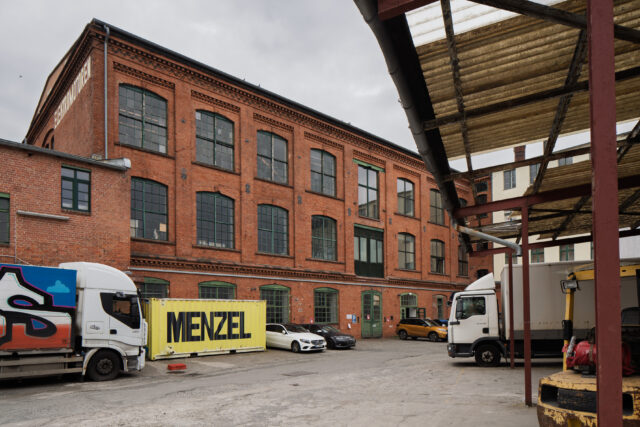
Industrial Area (formerly Menzel Motoren), Photo: Landesarchiv Berlin / Wunstorf, 2026
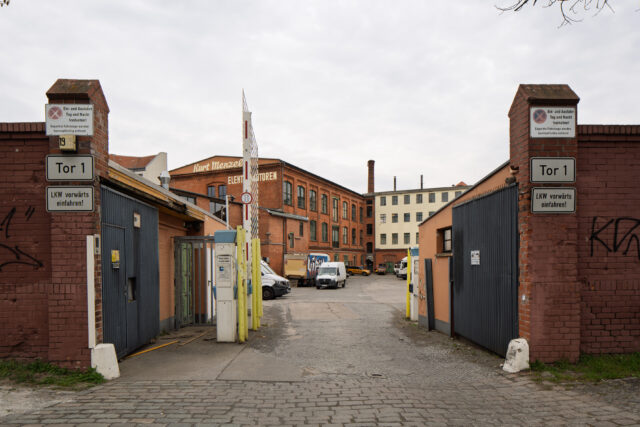
Industrial Area (formerly Menzel Motoren), Photo: Landesarchiv Berlin / Wunstorf, 2026

Industrial Area (formerly Menzel Motoren), Photo: Landesarchiv Berlin / Wunstorf, 2026
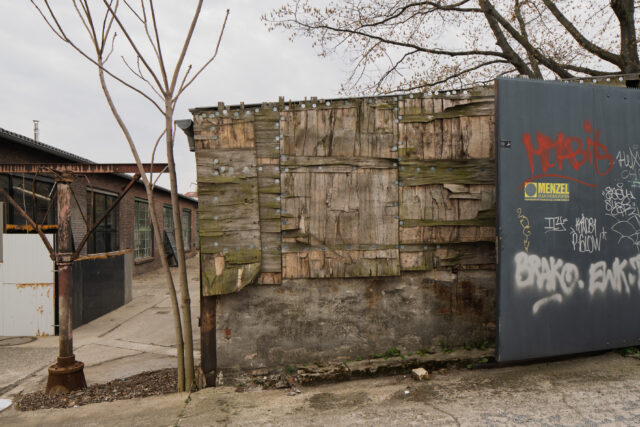
Industrial Area (formerly Menzel Motoren), Photo: Landesarchiv Berlin / Wunstorf, 2026

Waschküche, Wedding/Gesundbrunnen, Photo: Landesarchiv Berlin / Wunstorf, 2026
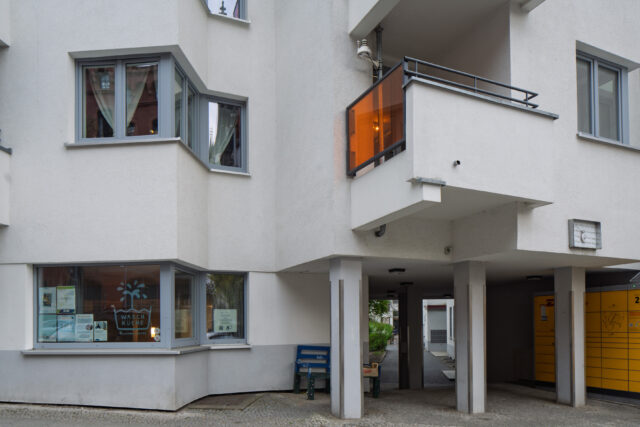
Waschküche, Wedding/Gesundbrunnen, Photo: Landesarchiv Berlin / Wunstorf, 2026

Heidestraße, Europacity, Moabit, Photo: Landesarchiv Berlin / Wunstorf, 2025
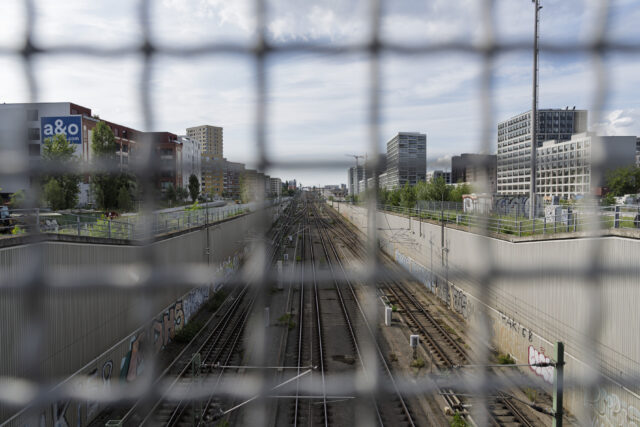
Nordbahn, Europacity, Moabit, Photo: Landesarchiv Berlin / Wunstorf, 2024

Gewerbehof, Heidestraße, Moabit, Photo: Landesarchiv Berlin / Wunstorf, 2024

George-Stephenson-Straße, Europacity, Moabit, Photo: Landesarchiv Berlin / Wunstorf, 2024
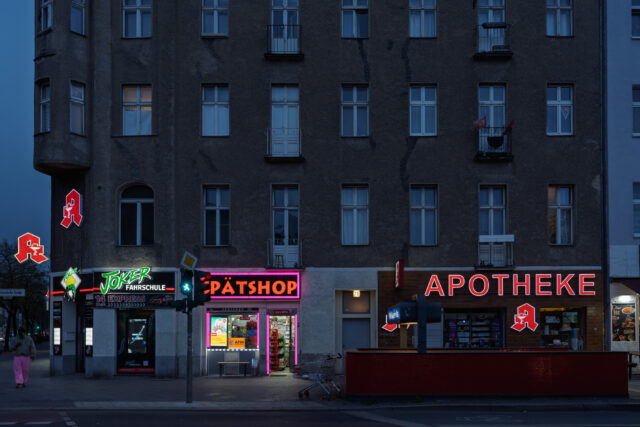
Spätshop at U-Bahn Entrance Nauener Platz, Wedding, Photo: Landesarchiv Berlin / Wunstorf, 2026
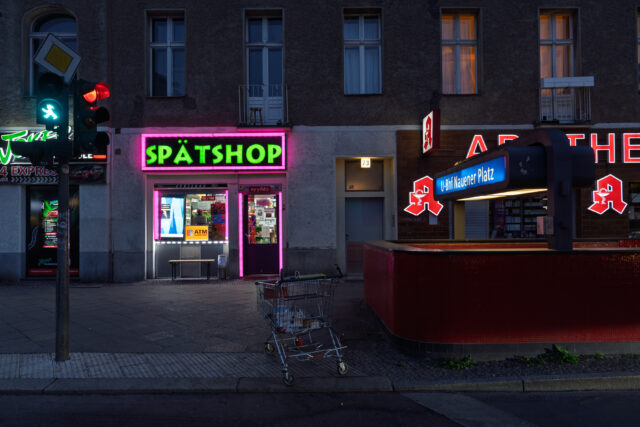
Spätshop at U-Bahn Entrance Nauener Platz, Wedding, Photo: Landesarchiv Berlin / Wunstorf, 2026
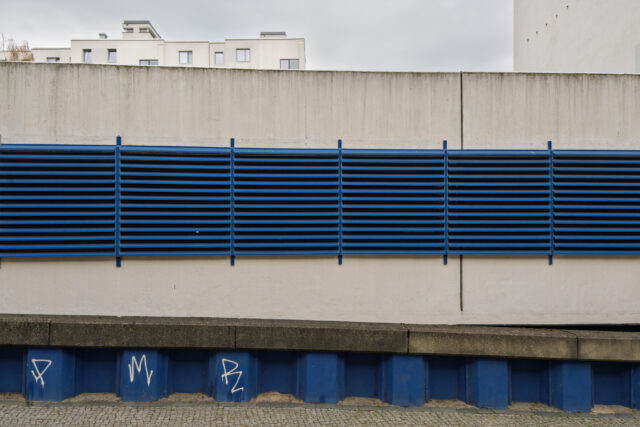
Garage, Wedding, Photo: Landesarchiv Berlin / Wunstorf, 2026
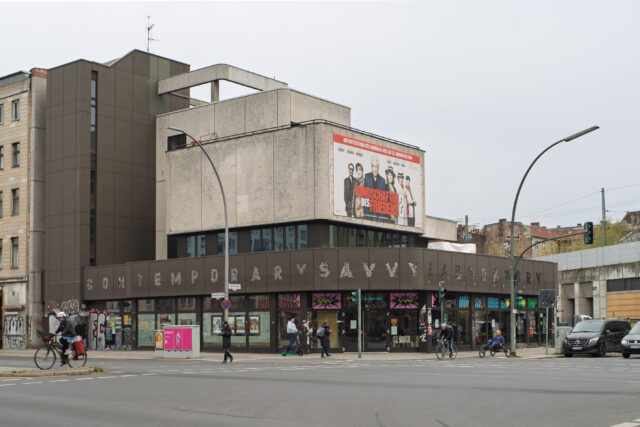
SAVVY Contemporary, Wedding, Photo: Landesarchiv Berlin / Wunstorf, 2026
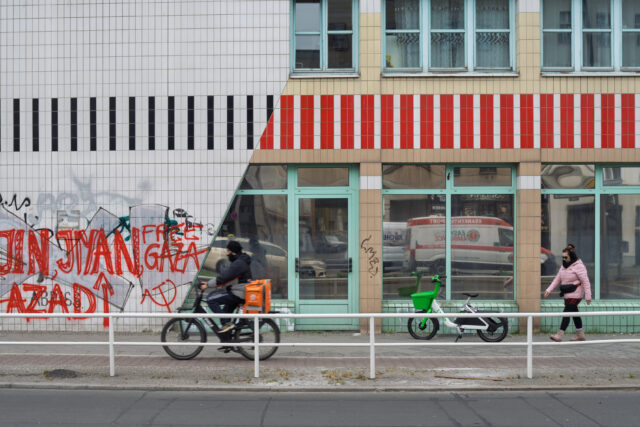
SAVVY Contemporary, Wedding, Photo: Landesarchiv Berlin / Wunstorf, 2026
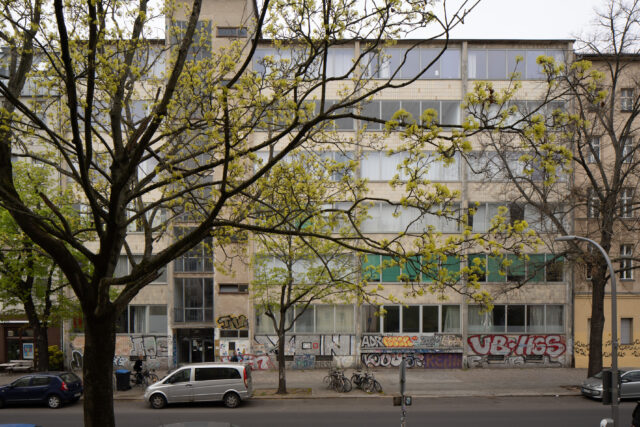
Atelierhaus, Photo: Landesarchiv Berlin / Wunstorf, 2026

Uferstudios along the Panke, Wedding, Photo: Landesarchiv Berlin / Wunstorf 2026
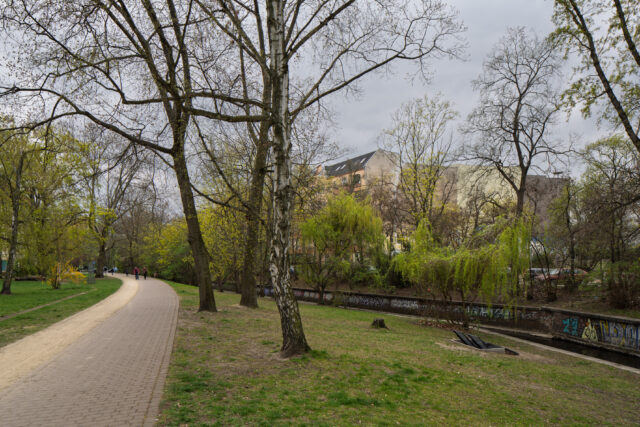
Uferstudios along the Panke, Wedding, Photo: Landesarchiv Berlin / Wunstorf, 2026
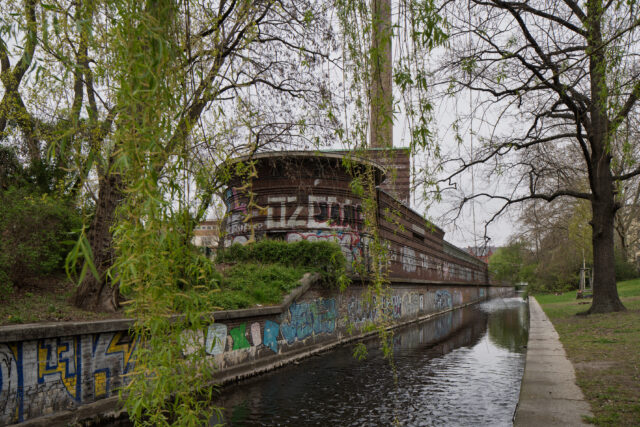
Uferstudios along the Panke, Wedding, Photo: Landesarchiv Berlin / Wunstorf, 2026

Outlet "Lara Carpet", Photo: Landesarchiv Berlin / Wunstorf, 2026

Outlet "Lara Carpet", Photo: Landesarchiv Berlin / Wunstorf, 2026
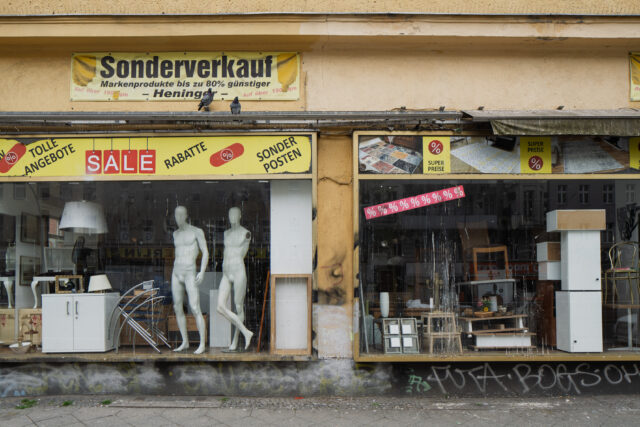
Outlet "Lara Carpet", Photo: Landesarchiv Berlin / Wunstorf, 2026

Outlet "Lara Carpet", Photo: Landesarchiv Berlin / Wunstorf, 2026

Luisenhaus, Badstraße, Gesundbrunnen, Photo: Landesarchiv Berlin / Wunstorf, 2025
Meet the mowe Beirat
Anna Latzko, Cilia Jonda, Claudia Ehgartner, Sharmila Sharma, Sibel Olguner, and Yeim Duman volunteer their time to assist and support the mowe Festival team by sharing their expertise, local knowledge, and professional networks, as well as by offering guidance on curatorial and organizational matters. Thank you very much!
About
mowe builds on the diverse network projects that the Department of Art, Culture, and History has organized in the past in the neighborhoods of the district: The experiences gained from tKulturfestival Wedding Moabit (2014-2015), der Programmkoordination Stadtkultur und Vernetzung (2017-2018), and the Institutions Extended project (2019–2022) will now be combined to establish mowe as a sustainable arts festival in the district.
POLIGONAL will serve as the artistic director for the 2025–27 editions of the festival. Since 2018, the Berlin-based collective has been working at the intersection of urban practice, urban education, and urban culture. With the aim of making non-normative perspectives visible, POLIGONAL develops and curates interdisciplinary formats that create space for exchange and discussion. These include festivals, exhibitions, performative urban installations, educational programs, and curatorial projects on urban transformation, marginalization, and queerness.